CATCHING TORRIDON MOUNTAINS IN TWO DAYS OF AUTUMN GLORY
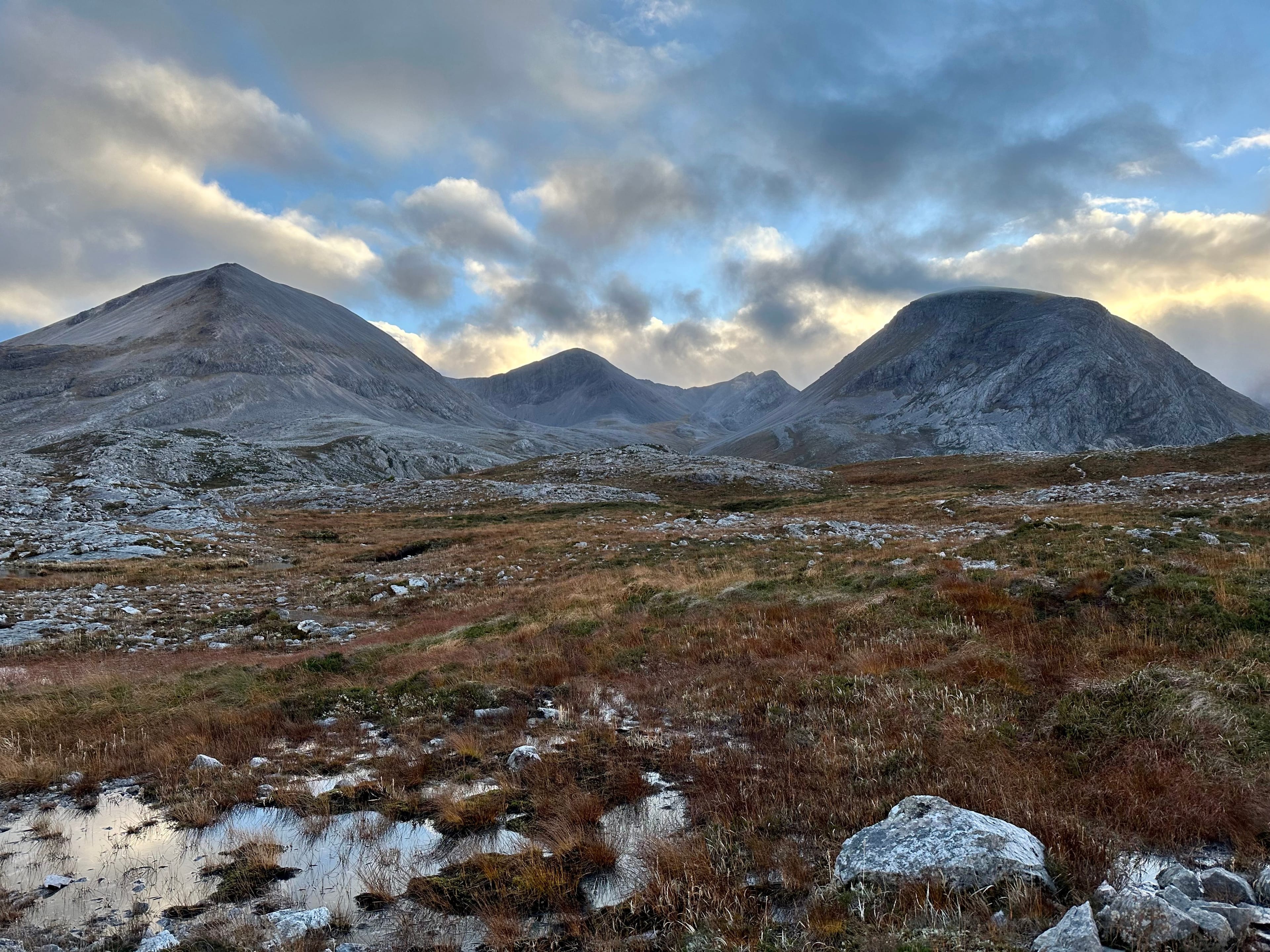
LIGHT FANTASTIC: Evening skies on the walk out from the back corries of Beinn Eighe with Ruadh-stac Beag, right
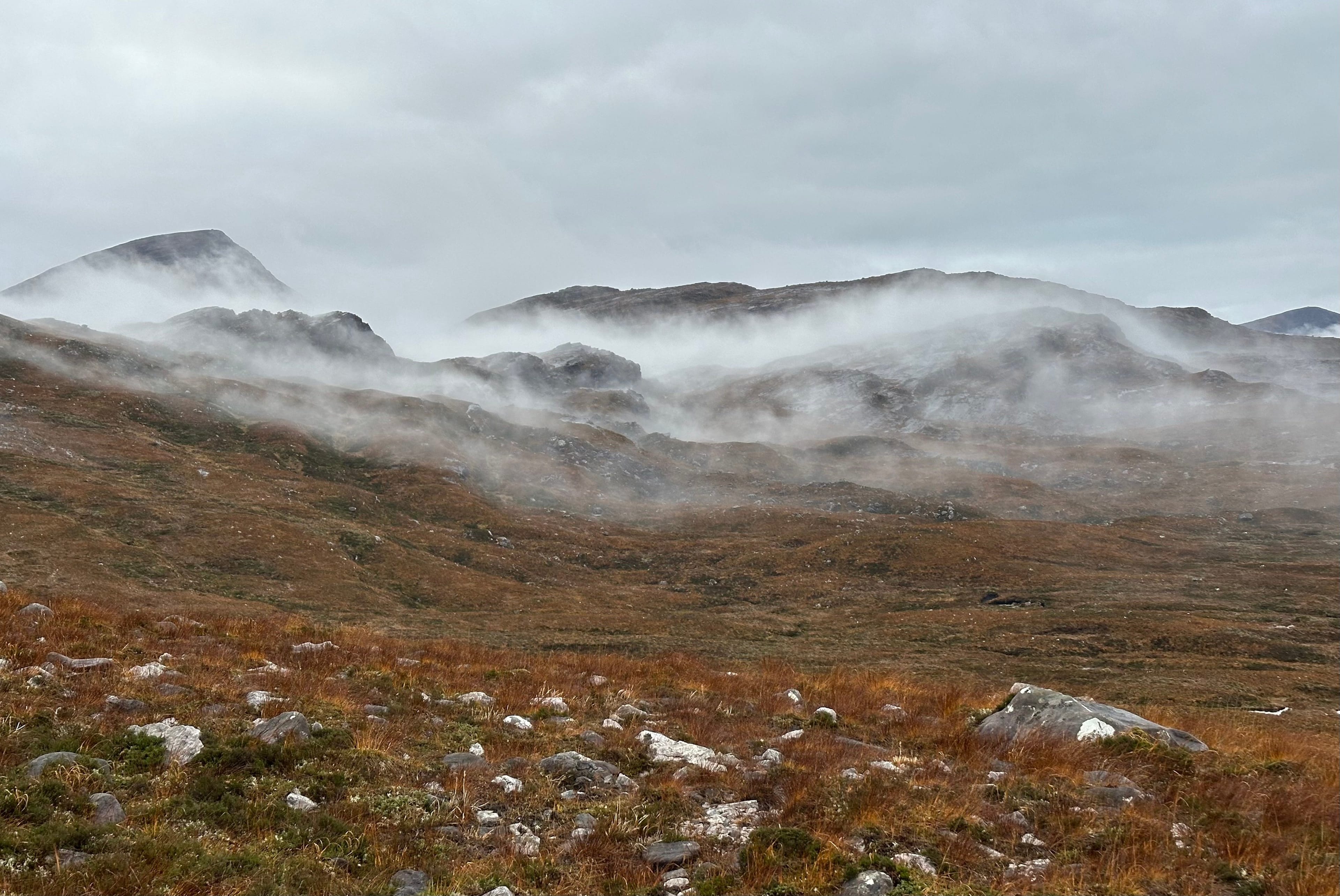
NOW YOU SEE THEM: Peaks emerge from mist
AFTER the storms, the calm. It felt as though a switch had been thrown and just like that the seasons had completed their transition. The mountains of Torridon are magnificent at any time of year, but in full autumn splendour that grandeur is increased tenfold.
With high pressure firmly in control, I had travelled north in the hope of finding golden light and misty glens, blazing sunrises and sunsets with the possibility of an inversion or two. What I got was even better.
Forget cloudless skies on a canvas of bright blue, here was true autumn in the hills: slopes of burnished bronze, leaves turned yellow through orange and red, woodland paths carpeted with copper needles and hardly a breath of wind. Grey faces glittered and twinkled while slow-motion banks of cloud turned every mountain into an eerie shapeshifter. The languid mood was overwhelming and infectious. I had planned for three days of intense walking but the weather had removed the sting. Just being out in these conditions was more than enough. No need to get greedy.
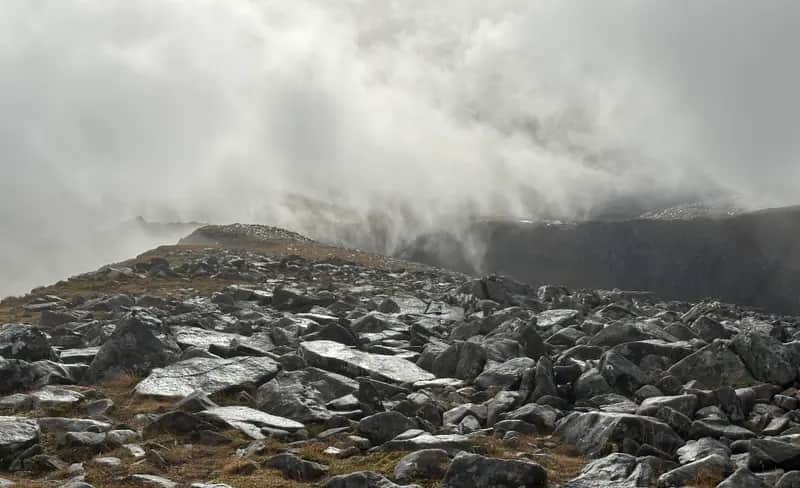
Besides, the other thing to remember about Torridon is that there are no lesser hills. Every day is a tough one – this ancient landscape demands your full attention. Easing in takes on a whole different meaning here. After a near five-hour road journey, I set off on the Pony Path, climbing out of the trees until reaching the high point. Ruadh-stac Beag had so far been seen only in glimpses but suddenly there it was in full view, a muscular lump of rock with few chinks in its armour. The back door is a better option.
A fainter path led across rough ground and into the deep gorge which pushes upwards into the back corries of sprawling Beinn Eighe. At times, the path meandered through the middle of the water on a series of little grassy islands but it always found ways in and out without the feet getting wet.
The final boulder field assault – and it does feel like an assault – is steep and loose with the ground constantly moving. It doesn't pay to stand still for too long. After all that, the flat summit area feels like it's been borrowed from a different mountain.
The following morning saw my relaxed mood again mirrored by the weather, summits buried under a thick, unmoving blanket, nothing in a rush to get anywhere. The sight of a heron lazily gliding over the reedy lochan beside the Ling Hut confirmed the tone for the day.
When I last tackled Sgorr nan Lochan Uaine some 20 years ago, I also continued the traverse over its neighbouring peak, Sgurr Dubh, then walked out round Loch Clair. This time, I was going to take my time over a longer, more circuitous route over the former rather than wrestle with the complex descent from Sgurr Dubh or the long, footsore slog back up the road.
I would follow the Ling path to its termination in Coire Grannda rather than cutting off early, then skirt over the outer edge of Beinn Liath Mhor and descend to the parcel of lochans which give Sgorr nan Lochan Uaine its name.
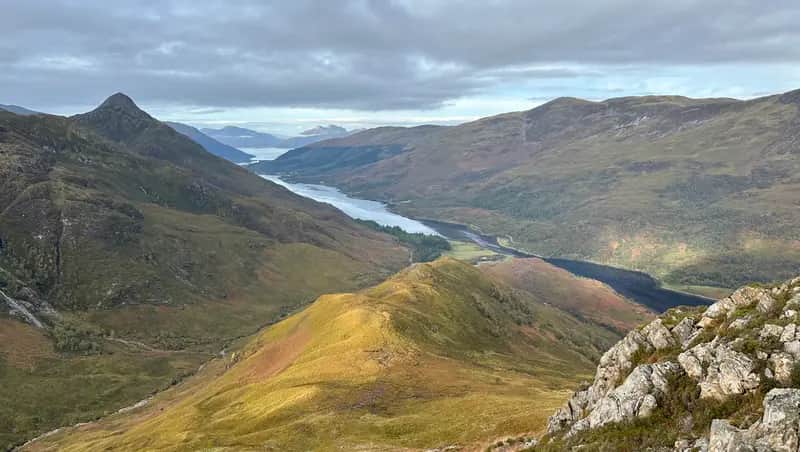
This turned out to be a smart move, even though it was more by accident than design. As I climbed the final steps, the surrounding peaks began to poke and prod their way through the lethargic cloud sheet in all directions. The Coire Lair peaks suddenly reared ahead like huge, mythical sea beasts awakened from their slumber. They were soon joined by the huge dominating prow of Maol Chean-dearg while to the north, Liathach and Beinn Eighe were welded together to fill the horizon, a dainty puff of white stretching over their midriff.
As I descended towards the lochans, Sgurr nan Lochan Uaine began to emerge from the grey, slowly at first but clearer by each passing minute until the curtain had pulled back sufficiently to see two versions thanks to the clear water.
Ascending from this direction meant another loose, steep scramble to the summit where the undecided clouds provided yet more constantly shifting perspectives. The descent was direct yet the walk had taken more than an hour longer than doing both hills all these years ago. Still, time well spent is never a negative.
I gave the mountains a rest the next day, choosing instead to enjoy a coastal walk under blue skies and bright sunshine. The nine-mile drive from Torridon village to the tiny settlement of Lower Diabaig was worth the admission money alone, a twisting rollercoaster narrow road where every turn seemed more dramatic than the last.
From the end of the road, the An Rudha Dearg path led to the lonely outpost of Craig bothy where two of the recent maintenance team, Ian and Duncan, were still hard at work, fitting the last of the new windows before heading home after their week-long stint. These volunteers do a remarkable job ensuring that these remote shelters are in the good shape for anyone passing through. It's a real labour of love and everyone should support their efforts.
The farewell drive through the glen was so good I actually did it twice – I had left something behind in my accommodation so had to go back – but that was no hardship. Autumn in Torridon is always something special.