SPRING'S WILD VARIATIONS – EXPECT THE UNEXPECTED
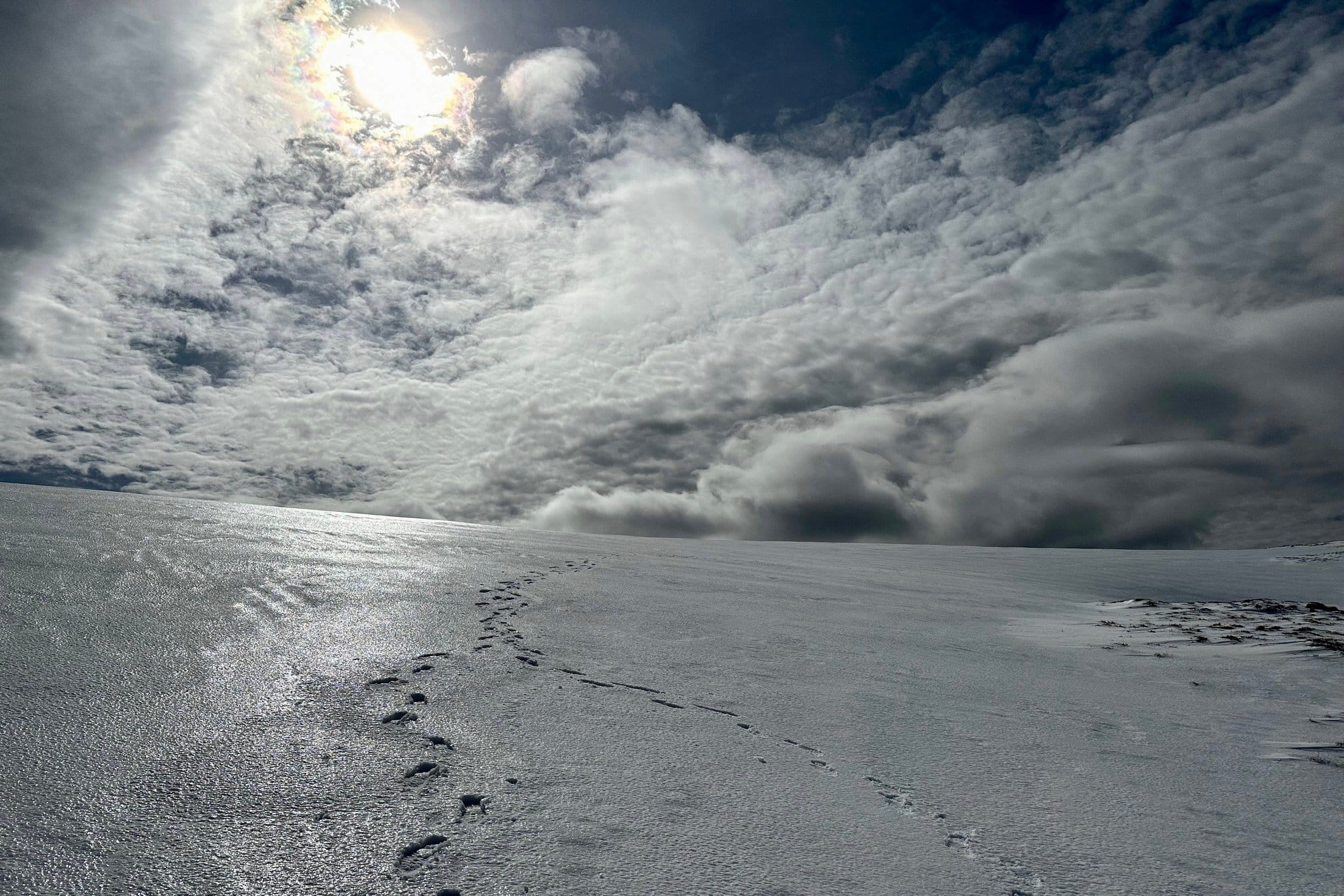
FROZEN BEAUTY: Spring turns back to winter on the descent down northern side of Ben Tirran
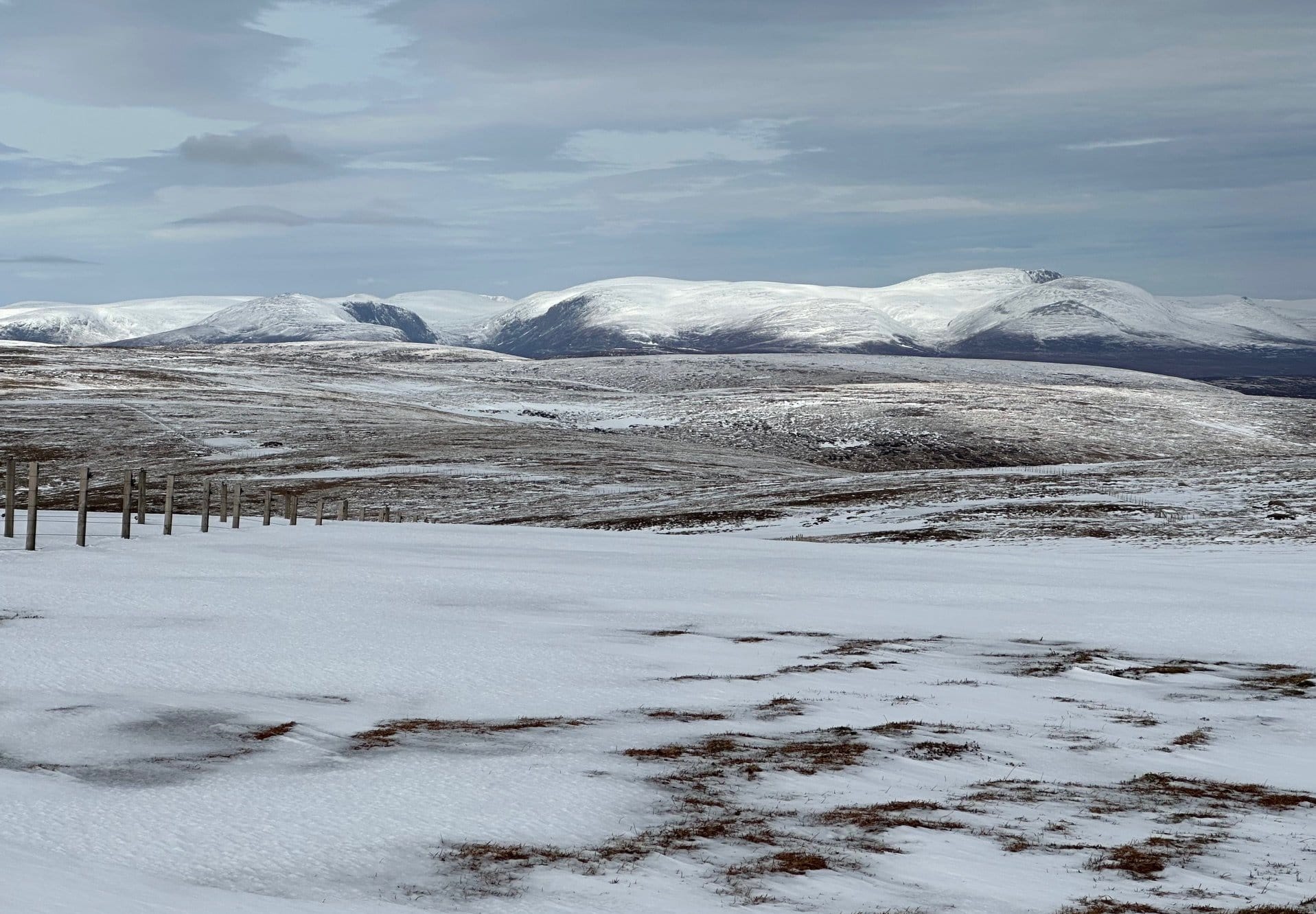
WHITE WORLD: Looking to White Mounth hills
IT may be spring but the cold hand of winter is still proving to have a substantial grip on the higher ground.
Some of the mountain images over the past few weeks have highlighted conditions more akin to what we would expect – or at least hope for – in a good January or February.
It's not unusual for considerable snow cover to linger on the hills well into May but this scenario still seems to take so many by surprise.
The thought that winter gear no longer needs to be carried at this time of year has led to a series of incidents where the unwary have been caught out by the sudden dramatic change in ground conditions.
A couple of recent outings reinforced just how important it is to examine the mountain weather forecasts in detail before setting out and not just look out the window at the sunshine and blue sky.
Easter Monday looked perfect for a foray into the Angus glens to visit an aircraft wreckage site hidden in the folds between Glen Esk and Glen Clova. The journey is roughly equidistant between these glens, but we chose the latter approach due to the direction of the strong ice-cold winds forecast on the tops.
The first shock came as we emerged from the comfort of the car, a bitter blast that saw us pile on the layers. The rolling tops along both sides of the road had a dusting but the distant Munros of Glen Doll were an unblemished white – the result of Storm Dave's weekend incursion. That relatively small increase in height made a big difference.
Our route meant crossing Ben Tirran then dropping down the other side. It was easy walking with the lively southerlies pushing us uphill. It was also now warm work so some of the layers came off. Over to the left, the crags of Loch Wharral had been stripped of the cascading, all-enveloping white surge from the previous week. From this vantage point it appeared that spring had indeed sprung.
Another ten minutes and things started to change. We stepped into the first of the snows, patchy, soft, easy to avoid. But with every extra step upward, the cover became more widespread and deeper. The cold had become more pronounced, but at least we still had the sun. When we stopped at the summit cairn though, we felt the nip on the face and hands. We didn't hang about. We crossed the fence – a crossing that took us into a different world.
Everything on this northern side was snow and ice, white as far as the eye could see. As we crunched downhill, a glance backward revealed towering clouds backlit by the sun which rendered a glittering, frozen landscape. It was an intense, if flattering, image, but even if the dates didn't concur, this was a fine impersonation of winter.
The terrain looked even more impressive when we reached the col, whorls and caves of solid white lining the stream banks, an impossible looking vertical cornice hugging a deep cleft giving rise to the thought that if you stepped through you would never be seen again.
The patchwork brown and white of the undulating slopes ahead made it difficult to make out the crash site at first, but it didn't change the poignancy of the moment when we located it. Here was what remained of the Wellington bomber which went down in August 1942 while on a test flight from RAF Lossiemouth. A section of cowling had become dislodged, damaging one of the propellers and causing engine failure and the plane crashed during an attempted forced landing. Four of the crew died but remarkably one, the tail gunner, survived. Three of the four victims were Canadian and they were buried together at Fettercairn Cemetery while the RAF crewman was laid to rest at Hebburn, Tyne and Wear.
The tail section sits about 100 metres away from the main site, the result of someone trying, and thankfully failing, to remove it a good few years ago. These sites are regarded as war graves and should remain untouched.
Our journey back was a cold one, directly into the numbing wind which made the head hurt but once over the lip of the land, we switched back into spring for the walk around the high rim of the Wharrall crags.
Four days later, we were back in Glen Clova on another freezing, sunshine circuit and the cover had diminished quite a bit. Then it flipped again with a heavy fall that night.
These unpredictable conditions mean our crossing of Jock's Road next weekend could be interesting. And even if the sun is shining and the skies clear, we will be ready for anything.