TRAILBLAZING MUNROIST PROVED POETIC INSPIRATION FOR MARTIN
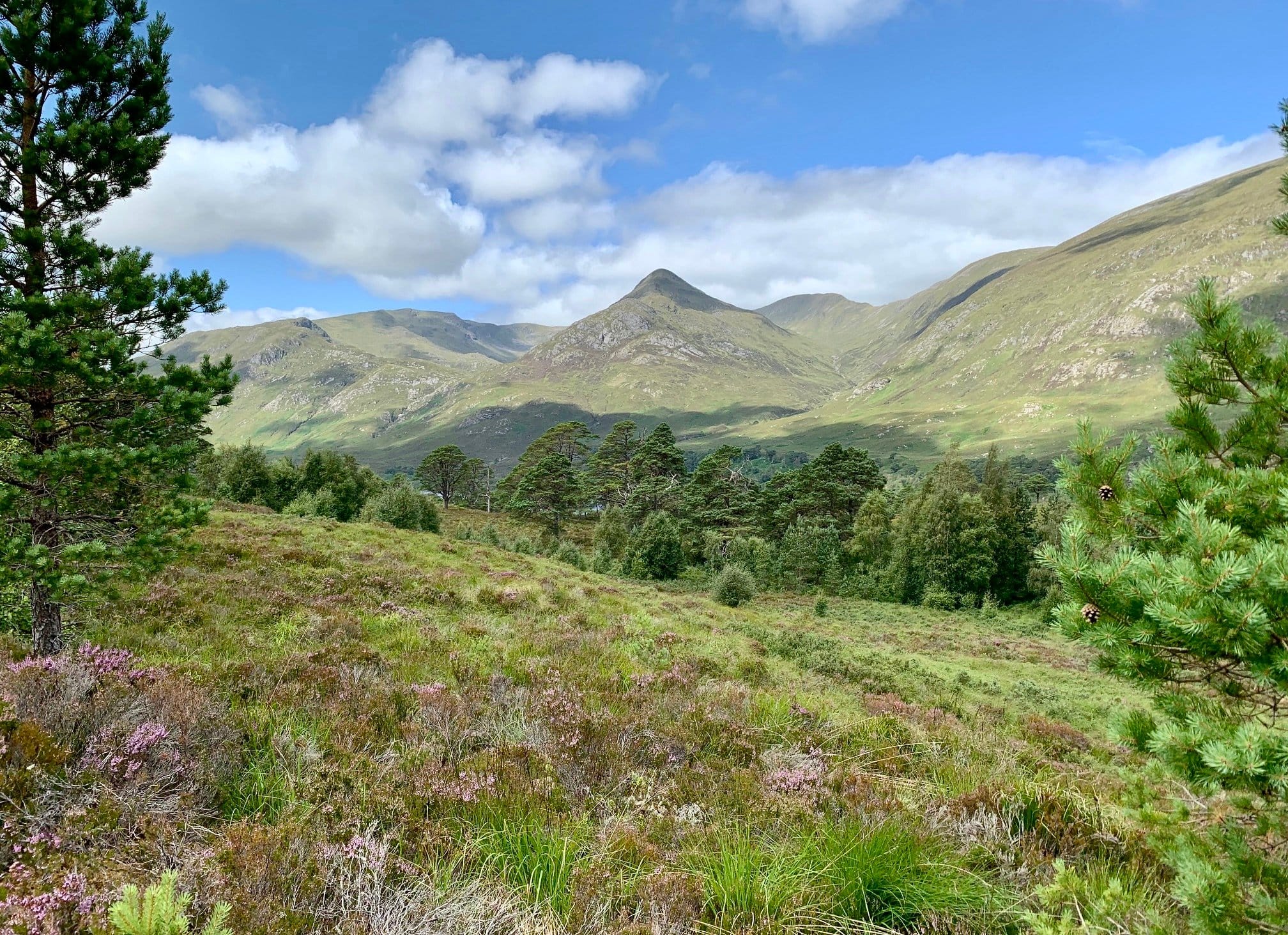
BEAUTY SPOT: Glen Affric was a particular favourite of the Ronald Burn, the second person to complete the Munros
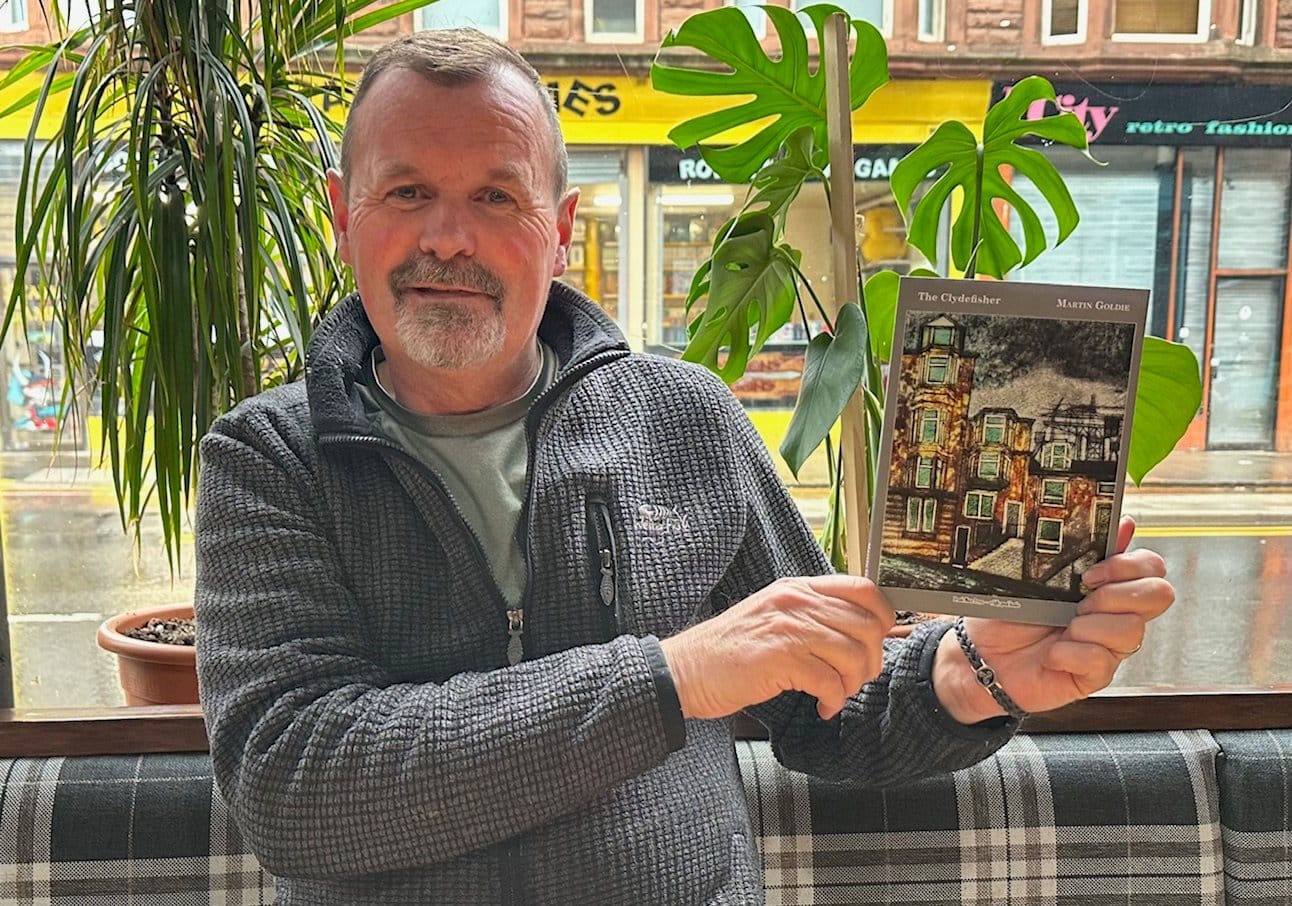
RHYME AND REASON: Martin's latest book
SCOTLAND'S mountain landscape has long been a source of inspiration to generations of artists, writers and poets, and it doesn't always have to be the mightiest hills that stir the soul.
For Martin Goldie, it was Beinn Ruadh, a modest peak in Argyll that provided the vital spark. The prize-winning poet recalls chilling on this summit above Loch Eck on a beautiful afternoon and feeling the creative juices flowing as he surveyed his home territory from on high.
That was five years ago, and there has been no stopping Martin since. The launch of his third book, The Clydefisher, was at the aptly named Avant Garde in Glasgow where he was supported by the cream of the Scottish poetry scene.
This collection features a richly diverse mix of themes, but the heart of it is lodged firmly in the mountains and, in particular, a section inspired by the Reverend A.R.G Burn, the second person to climb all the Munros and the first to also summit all their attendant Tops.
Being the second man, Burn is generally less well known than the first recorded Munroist, the Reverend A.E. Robertson, who completed the original list in 1901. Robertson followed Munro's original list to the letter so it is thought unlikely he climbed the Inaccessible Pinnacle – although he did so years later – as Munro had mistakenly registered the lower peak of Sgurr Dearg as the summit. There is also some doubt as to whether he reached the top of Ben Wyvis: in one diary entry he told how he turned back in wild conditions and it is not clear if he went back another day.
Munro admitted his error in missing out the iconic Skye high point and was about to rectify that with an updated list but died before its publication. His amendments were then taken on by the Scottish Mountaineering Club. It would be 22 years after Robertson's claim to fame before the next Munros 'compleation' and by that time Burn was working from the revised figures which now correctly included the In Pin. After climbing his final peaks in 1923, he wrote in the SMC Journal: “On 20th July with the two tops of Beinn a' Chroin, I completed all the hills over 3,000 feet ie. all the mountains and tops contained in both editions of Munro's tables, 558 in all (including those omitted from revised tables). I believe I am the first and only one to have done everything.”
Ronald Burn was a complex, eccentric and sometimes controversial character and much of what is known about his life comes from his diaries which are extensively quoted in the excellent Burn on the Hill by Elizabeth Allan. The book has become a bit of a rarity but is well worth seeking out.
The Rev Burn converted from Anglican to Catholic, and he was a fervent Jacobite. He was dismissed from a scholar's post in Glasgow and also found himself homeless on the streets of Edinburgh for a period.
He had little time for presbyterians, landowners or gamekeepers and stalkers, but he loved the ordinary people of the glens – a feeling that appears to have been mutual – as well as the Gaelic language, its stories and place names. He was especially fond of Glen Affric.
He was a voracious reader, an avid lover of books who built up a huge collection, so much so that he was often pressed for somewhere to store them. His mountain feat is all the more remarkable as his time in the Highlands was relatively brief and, considering the limitations of transport, he must have walked a long, long way. He did manage to get lost on occasion but only once did he have a potentially dangerous fall.
Burn was walking through these remote places at a time of great social change, a change exacerbated by the slaughter of the First World War and the loss of a generation of young men, and the book is more a record of a lost way of life than a simple tale of mountaineering exploits. This was the cusp of another Highland clearance with sporting estates rapidly replacing sheep farming, and some of the routes Burn took no longer exist, drowned by hydro schemes. This story of change and loss provided inspiration and complemented the themes in Martin's collection.
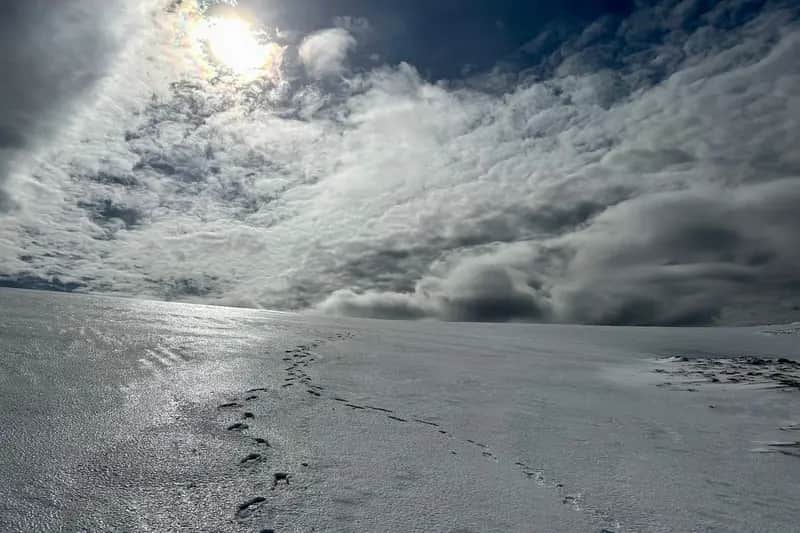
There's much to savour in The Clydefisher, and the mountains are never far away with familiar names like Ben Nevis, Beinn Narnain, Glen Kinglas, and Alltbeithe among the name checks. I was particularly moved by Blizzard, a poignant take on the Jock's Road disaster of 1959 when five members of the Universal Hiking Club of Glasgow died during an attempted winter crossing of this ancient pass.
But long after you have visited and sipped from this collection, it's Burn's legacy and the devastating loss of a way of life that will leave you with a haunting stir of echoes.
* The Clydefisher by Martin Goldie is published by Drunk Muse Press (drunkmusepress.com)